Nichirei and the price of ambiguity: what the RansomHouse extortion of Japan's cold-chain giant reveals about a widening pattern of unattributed pressure on Japanese industry- 278
July 22, 2026
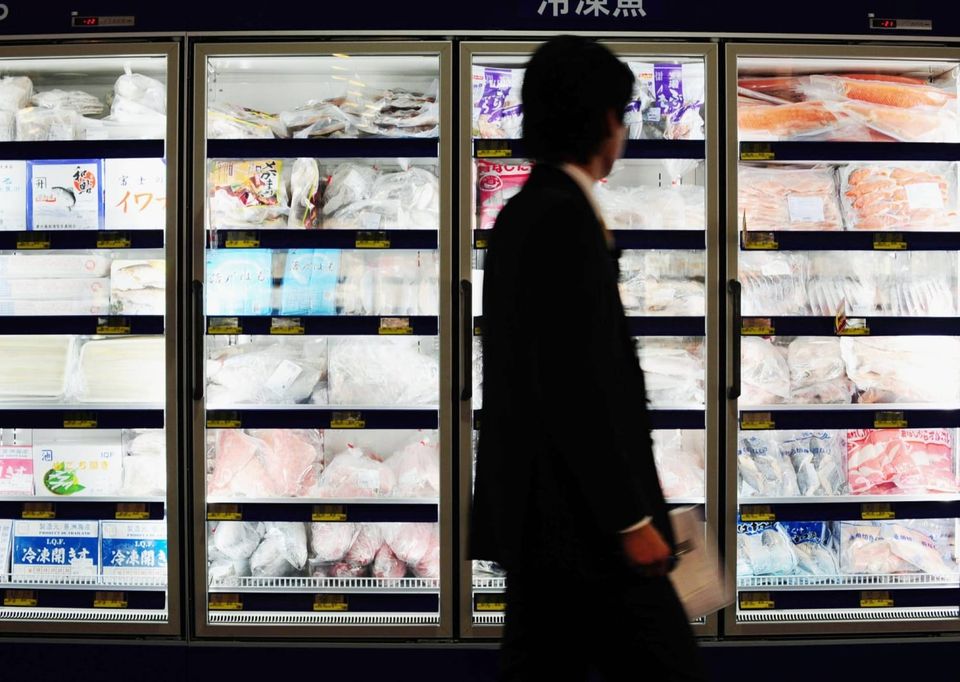
When Nichirei Corporation severed its own network connections on July 13, 2026, it did more than contain an intrusion — it made visible, for a week, just how much of Japan's food economy runs invisibly through a single refrigerated logistics backbone. Some 140 distribution centers went dark. Supermarket chains, food manufacturers and restaurant operators discovered, in real time, their dependence on a company most consumers had never heard of. By the time RansomHouse surfaced nine days later to claim the attack and threaten a data leak, the story had already shifted from a corporate IT failure to something closer to a stress test of critical infrastructure resilience — one conducted not by regulators, but by a criminal group with a taunting message and a countdown clock.

Nichirei's own account of events was notable chiefly for what it withheld. The company confirmed a cyberattack on its servers, stood up an emergency response headquarters, and disconnected group systems the same day — but declined to disclose any technical detail, citing the risk of enabling further damage. It notified Japan's Personal Information Protection Commission that some compromised servers held personal data, without confirming whether anything had actually been exfiltrated. This studied opacity is a defensible operational choice, but it also left a vacuum that the attackers were happy to fill on their own terms.
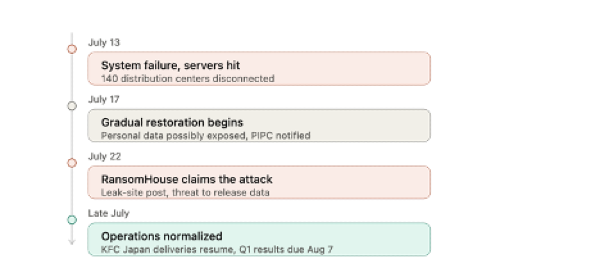
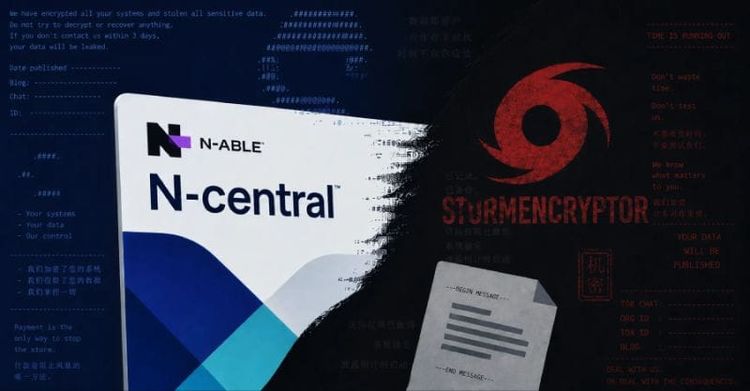
That vacuum closed on July 22, when RansomHouse posted Nichirei's name to its dark web leak site. The group's message was addressed directly to Nichirei's management, accusing the company's IT department of trying to "conceal the incident" and inviting contact to prevent a release of what it called confidential data, projects and documents. The tone was calculated rather than incidental: RansomHouse, active since March 2022, has built a public identity around this kind of framing, describing itself as a "force for good" that exposes corporate security failures rather than a conventional ransomware operation. It does not encrypt systems. It steals data and monetizes the threat of exposure — a model that inflicts real economic damage while leaving the attacker room to claim a moral high ground it does not occupy. The same group claimed an October 2025 breach of the Japanese retailer Askul, disrupting e-commerce operations and exposing customer and supplier data, suggesting a deliberate cadence of targeting major Japanese firms rather than an opportunistic one-off.
The most immediate casualty of the disruption was KFC Japan, whose more than 1,300 restaurants depend on a Nichirei subsidiary for ingredient deliveries. Shortages of the chain's signature fried chicken forced reduced menus and shortened hours for over a week — an unusually legible illustration of how a single logistics chokepoint can translate a server-room intrusion into a consumer-facing shortage within days. Recovery, when it came, was swift and almost theatrical: Nichirei restored operations on schedule by the end of the week, and KFC Japan marked the moment with a discount promotion under the slogan "Chicken is back!" The speed of that recovery says as much about the shallowness of technical damage — no encryption, no destroyed systems — as it does about operational resilience. This was disruption by leverage, not destruction.
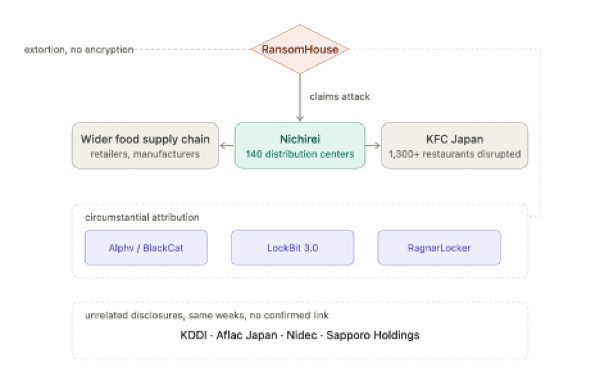
What remains unresolved is attribution, and here the ambiguity is not incidental but structural. Researchers have previously drawn circumstantial links between RansomHouse and Russia-aligned ransomware ecosystems, citing overlapping tactics, techniques and procedures with groups such as Alphv/BlackCat, LockBit 3.0 and RagnarLocker. None of this rises to confirmed state direction, and no technical indicators of compromise have been published in the Nichirei case — RansomHouse's likely access methods (vulnerability exploitation, valid account abuse, occasional phishing) remain inferred from its broader history rather than demonstrated here. This is characteristic of the extortion-crew layer that now sits adjacent to, and sometimes overlapping with, state-linked ransomware infrastructure: deniability is not a byproduct of poor tradecraft but a feature that lets financially motivated actors operate in a gray zone where the costs of retaliation, whether corporate or governmental, are difficult to calculate and rarely imposed.
The Nichirei incident also does not sit in isolation. In the same weeks, KDDI, one of Japan's largest telecommunications providers, Aflac's Japanese unit, electronics manufacturer Nidec, and brewer Sapporo Holdings all disclosed cyberattacks of their own. There is no confirmed link between these incidents and no shared attacker has been identified, but the clustering across telecommunications, insurance, industrial manufacturing, food logistics and consumer goods within a single stretch of weeks reads less like coincidence and more like a signal about Japan's current standing as a target-rich environment — a mature, densely interconnected industrial economy where extortion crews, state-tolerated or otherwise, appear to be finding consistent success. Whether this reflects coordinated targeting, a shared vulnerability class being exploited by multiple independent actors, or simply the visibility that comes from mandatory disclosure regimes catching more incidents at once, is not yet answerable from public reporting. But the pattern itself is the finding: Japanese firms across unrelated sectors are absorbing a wave of extortion-driven disruption whose cumulative economic and reputational cost is only now becoming legible, even as each individual case is treated — and disclosed — as a standalone event.