Shifting the Battleground: The Evolution from Cyberwarfare to Cognitive Warfare- 174

May 8, 2026
As digital interconnectedness deepens, the traditional boundaries of cybersecurity are undergoing a fundamental paradigm shift. Geopolitical conflicts are moving beyond the exploitation of hardware and software to target the human operating system itself. Inspired by Anna Collard's insights, the following analysis explores how the weaponization of information and structural dependencies are transforming modern warfare from a technical discipline into an aggressive assault on human cognition and societal trust.
The transition from classic cyberwarfare to cognitive warfare fundamentally alters the security landscape, shifting the primary target from technical network infrastructure to human perception, decision-making, and collective behavior. As outlined by Anna Collard in her analysis within image_419a15.png, modern geopolitical cyber threats have evolved past predictable, contained technical risks into a continuous, overlapping environment where cybercrime, state-sponsored operations, and narrative manipulation blend seamlessly.
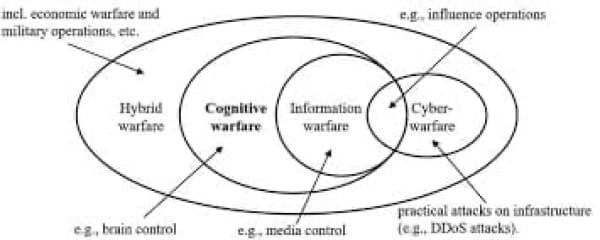
This continuous conflict plays out across physical and psychological layers simultaneously. On a structural level, the digital backbone of many rapidly developing regions—heavily reliant on affordable Chinese telecommunications, cloud architecture, and smart city infrastructure—is rarely ideologically neutral. While these technologies accelerate digital inclusion, they also establish deep systemic dependencies and subtly export governance paradigms that can influence long-term institutional ways of thinking. This environment becomes highly vulnerable when external state actors exploit the information layer. For instance, Russian-backed campaigns demonstrate that profound political and social outcomes can be manipulated without ever disrupting physical networks. By deploying coordinated disinformation, forged documents, and targeted smear campaigns, these operations deliberately piggyback on pre-existing domestic grievances, such as poverty or post-colonial resentment, effectively fanning existing local flames rather than engineering entirely new societal fault lines.
This dynamic creates intense systemic friction with Western-aligned governance models, which emphasize open internet structures and rights-based regulatory frameworks. Regional agreements such as the African Union’s Malabo Convention on Cybersecurity and Personal Data Protection were deeply shaped by European precedents, including the Council of Europe's Budapest Convention on Cybercrime and pre-GDPR directives. However, maintaining open, rights-based digital frameworks becomes remarkably difficult when an information ecosystem is intentionally saturated with narrative floods designed to turn public openness and institutional trust against themselves.
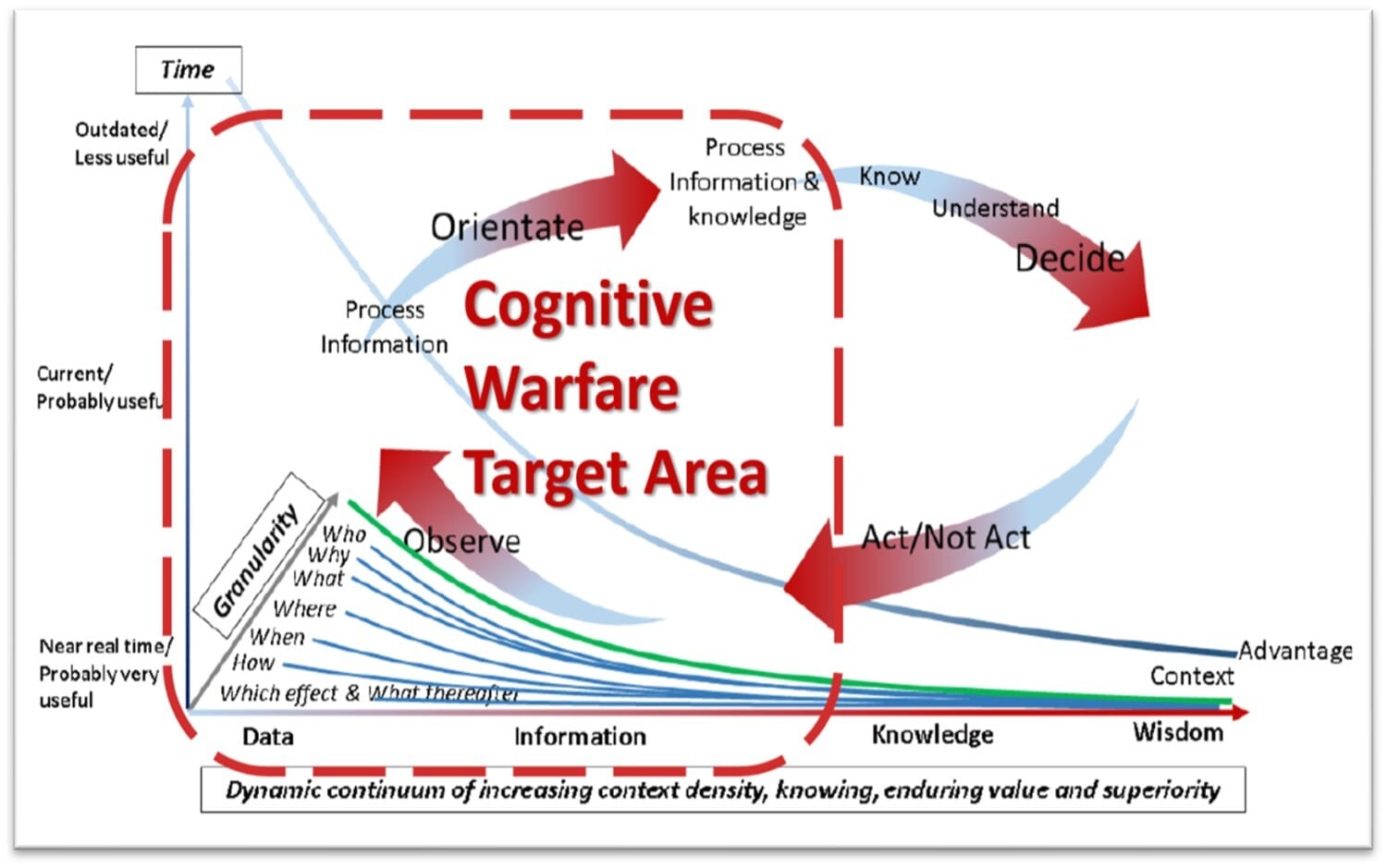
Expanding on this framework, broader strategic insights from institutions like NATO's Allied Command Transformation and recent NATO Chief Scientist Reports highlight that cognitive warfare goes significantly deeper than classic public relations or psychological operations. It treats the human brain as both the target and the weapon, explicitly aiming to degrade rationality, disrupt the OODA (Observe-Orient-Decide-Act) decision cycle, and fracture social cohesion. It operates simultaneously across biological, psychological, and social levels to induce attentional saturation, manipulate interpretation, and weaponize identity, often keeping activities carefully calibrated below the threshold of open armed conflict.
Ultimately, addressing this vulnerability requires a paradigm shift from purely technical firewalls to systemic cognitive resilience. Because digital platforms inherently optimize for engagement through emotional outrage, traditional perimeter defenses are insufficient. Cultivating cognitive security demands an integration of cyberpsychology, digital mindfulness, and aggressive media literacy to protect human processing frameworks before adversarial manipulation can structurally alter behavioral outcomes.