UNC1549: A Middle Eastern Cyber-Espionage Campaign Targeting Global Aerospace and Defense
November 18, 2025
The UNC1549 operation uncovered by Mandiant goes far beyond a routine cyber incident. It illustrates how modern threat groups now operate at the intersection of crime, espionage, and geopolitical competition. By combining bespoke malware, long-term persistence, and the exploitation of trusted third-party relationships, UNC1549 demonstrates a level of coordination that aligns with broader regional tensions and strategic intelligence objectives.
In an era where cyber intrusions quietly shape power dynamics and national security, this campaign shows how actors with modest resources can still inflict strategic damage and gather high-value intelligence. Understanding UNC1549’s methods is therefore essential not only for technical defense, but for grasping how cyber conflict evolves in today’s geopolitical landscape.
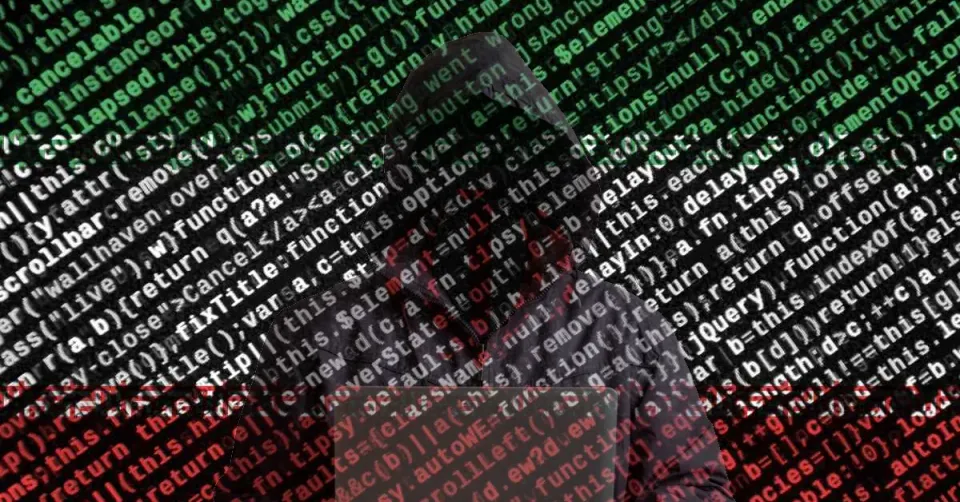
A sophisticated hacking group linked to Iran has been quietly targeting some of the most sensitive industries in the Middle East: aerospace, aviation, and defense. These sectors are vital because they involve military technology, satellite systems, and national security infrastructure. Rather than attacking these companies directly—where security is usually strong—the group often enters through the “side door,” by compromising smaller suppliers, contractors, and service providers that have weaker defenses but maintain trusted access to larger organizations.
Once inside, the hackers move carefully and strategically. They use phishing emails that mimic job offers or password-reset requests, break out of virtual desktop environments meant to isolate outsiders, and plant custom-built backdoors that can stay hidden for months. Their goal is long-term espionage, not quick financial gain. The operation shows how modern cyber espionage increasingly relies on exploiting business relationships and human behavior, not just technical vulnerabilities.
The latest report from Mandiant on UNC1549 lands at a moment when geopolitical tensions and cyber conflict have become deeply intertwined. What emerges from this analysis is not just the portrait of a technically capable threat group but the outline of an actor that operates in the blurred zone between criminal opportunism, intelligence gathering, and state-aligned strategic behavior. To understand UNC1549 today requires recognizing how cyber operations have evolved into a silent battleground where states project influence, shape political landscapes, and probe the resilience of their rivals.
Mandiant’s investigation reveals a threat actor whose operational sophistication reflects the broader environment of global cyber competition. UNC1549 relies on bespoke malware families and tailor-made tools rather than simply recycling code available on underground markets. This alone points to a more resourced and structured entity. The group’s campaigns rely heavily on precision phishing operations, staged intrusions, and patient lateral movement. They exploit not only known software vulnerabilities but also human weaknesses inside targeted organizations. The result is a slow, deliberate infiltration process that can remain unnoticed for months, giving the group the time needed to map internal networks, harvest credentials, and prepare for longer-term objectives.
But it is the dual nature of these campaigns that stands out. On one hand, UNC1549 conducts clearly financially motivated attacks, extracting value through data theft or access that can be monetized. On the other hand, the same campaigns contain indicators of strategic intelligence collection, with the group quietly gathering information that is relevant far beyond the immediate victim. This hybrid modus operandi reflects the trend observed in many regions where criminal groups and state-linked operators coexist, collaborate, or even merge. In geopolitical hotspots, cyber groups often operate within an ecosystem shaped by political priorities, regional rivalries, and covert influence strategies. The behavior of UNC1549 seems to align with this pattern, where financial operations serve to obscure, subsidize, or complement intelligence-driven objectives.
The geopolitical dimension becomes more evident when considering the sectors and geographies targeted. Many of UNC1549’s victims belong to industries whose data, intellectual property, or operational details carry strategic relevance. Such targeting suggests that the group’s long-term intent extends beyond pure financial gain and may serve broader state or regional interests. Mandiant’s identification of unique malware signatures and the tracing of multi-stage campaigns reveal a structured actor capable of sustained operations. Their presence within a compromised network can persist quietly for months, a timeframe consistent with intelligence-gathering workflows rather than rapid criminal exploitation.
This places UNC1549 within a broader trend observed across the cyber domain: the use of digital intrusion as a tool of geopolitical positioning. As global rivalries deepen—from tensions in the Middle East to great-power competition in Europe or Asia—cyber operations increasingly shape the information environment long before diplomatic crises or military escalation occur. Groups like UNC1549 operate in this grey zone where attribution is difficult, deniability is preserved, and strategic outcomes can be influenced without crossing conventional thresholds of conflict.
Mandiant’s recommendations reflect this reality. Strengthening network monitoring, deploying proactive detection capabilities, and improving incident response protocols are not just technical necessities but strategic imperatives. Threat intelligence sharing, once seen as optional, becomes essential for resilience at a national and organizational level. The report makes clear that organizations must adopt a mindset that anticipates stealthy, persistent actors rather than reacting to isolated incidents. Compliance with industry standards is important, but it is no longer sufficient when dealing with adversaries whose objectives evolve alongside shifting geopolitical landscapes.
UNC1549’s operational history offers valuable lessons. It illustrates how modern cyber threats no longer fit neatly into categories like “criminal,” “espionage,” or “hacktivist.” Instead, they operate fluidly across these boundaries, influenced by political agendas, regional tensions, and opportunities created by global instability. As cyber warfare becomes embedded within geopolitical rivalries, understanding groups like UNC1549 becomes essential for anticipating strategic moves, protecting critical infrastructure, and identifying the early signals of covert influence campaigns.
In this sense, Mandiant’s findings are more than a technical analysis. They are a reminder that cyberspace has become one of the primary arenas where the future balance of power is contested. The activities of UNC1549 reveal how digital intrusions can quietly shape geopolitical reality long before the consequences become visible. For organizations and governments alike, recognizing this dynamic is the first step toward building the kind of resilience required in an increasingly interconnected and volatile world.