Telecom Under Siege: From Phishing Scams to Strategic Intrusions
August 1, 2025
The telecommunications sector is facing escalating threats on multiple fronts, from consumer-level phishing campaigns to nation-state cyber intrusions. Recent cases, such as the phishing scam targeting Manx Telecom customers on the Isle of Man, highlight how attackers use brand impersonation and social engineering to compromise user accounts and gain unauthorized access. Meanwhile, large-scale attacks—like those attributed to China’s Salt Typhoon group—are exploiting vulnerabilities in the global telecom backbone for surveillance and metadata extraction. This synthesis explores how both individual users and critical telecom infrastructure are increasingly in the crosshairs of sophisticated cyber adversaries, blurring the line between criminal fraud and strategic espionage.
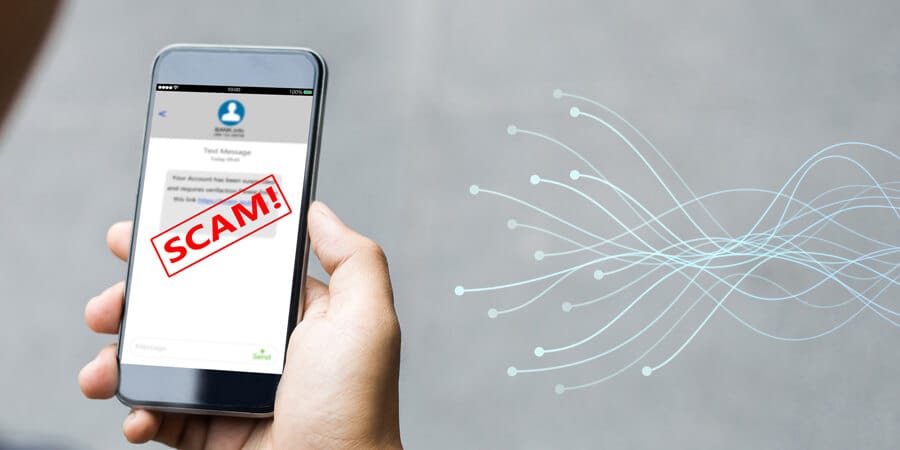
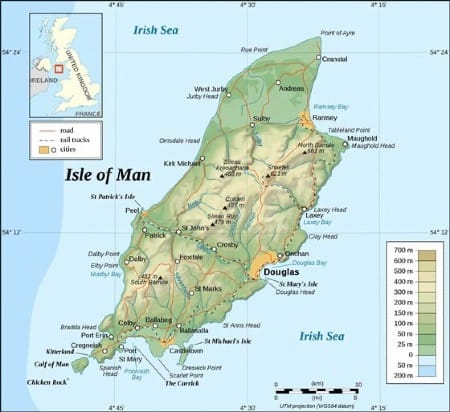
Emails impersonating Manx Telecom have been widely reported on the Isle of Man, targeting users of the manx.net platform. These phishing messages request that users click on a link to view a “new bill” and submit sensitive credentials. The Cyber Security Centre for the Isle of Man has logged numerous complaints and identified multiple account takeovers, with attackers seizing control of email addresses and using them to access secondary accounts like social media. Design elements mimic official branding, creating urgency and leveraging typical social-engineering tactics to extract passwords and takeover credentials.
A similar pattern of deception is evident globally. In Germany, phishing emails impersonating Telekom customers—a major operator—have circulated under the guise of supposed unpaid landline bills (~€135), prompting victims to click malicious “View invoice” links. Consumer protection centers warn these scams are widespread, highly convincing, and rely on generic salutations and sender spoofing to dupe users.
Beyond phishing, telecom operators worldwide face high-impact intrusions. In the U.S., Chinese state-affiliated hackers dubbed Salt Typhoon infiltrated core telecom infrastructure (Verizon, AT&T, T-Mobile, Lumen, and others), compromising metadata, call logs, and wiretapping systems. The breach affected over a million users and persisted undetected for up to 18 months, prompting greatest concern over surveillance capabilities.
In Asia, SK Telecom of South Korea suffered a malware attack that exposed nearly 27–27 million subscriber USIM records. The breach prompted government sanctions and massive investments in security infrastructure, reflecting acute risk for telecom identity provisioning systems.
European telecoms have also been targeted: France’s Orange Group reported a suspected cyberattack in July 2025 causing service disruptions. Though no data theft was confirmed, the use of sophisticated intrusion tactics linked to Salt Typhoon underscored risks to critical infrastructure.
Denmark’s cybersecurity agency elevated the threat level for telecom espionage to High, citing rising state-sponsored attempts to penetrate Europe's communications backbone. The concern reflects a broader trend of strategic targeting across European telecom networks.
These incidents illustrate two parallel axes of threat in the telecom sector. On one side, consumer-targeted phishing scams exploit brand trust and social engineering to compromise individual accounts—such as the Manx Telecom and Telekom cases. On the other, nation-state cyber intrusions target network infrastructure and subscriber data at scale—such as the Salt Typhoon breaches of core telecom systems in the U.S., Europe, and Asia. Both trends converge on a fundamental vulnerability: telecom entities serve as gateways to identity, communications, and transactional systems, making them high-value targets for both financial fraud and espionage.
Download the Full Report (pdf)