From Protest to Penetration: Belarusian and Ukrainian Hacktivists Take Aim at Russian Aviation
July 28, 2025
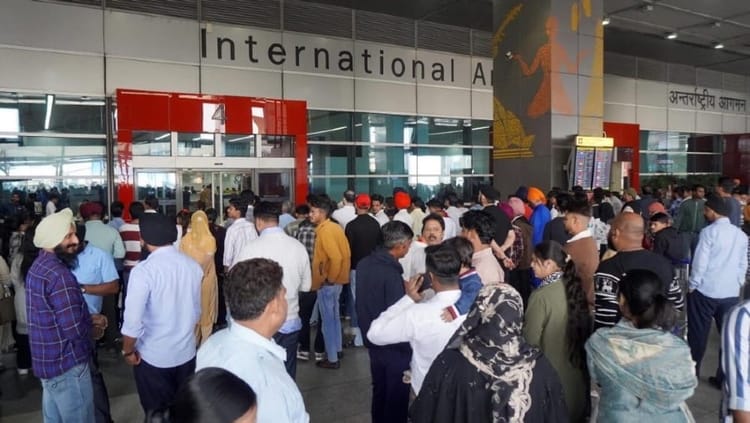
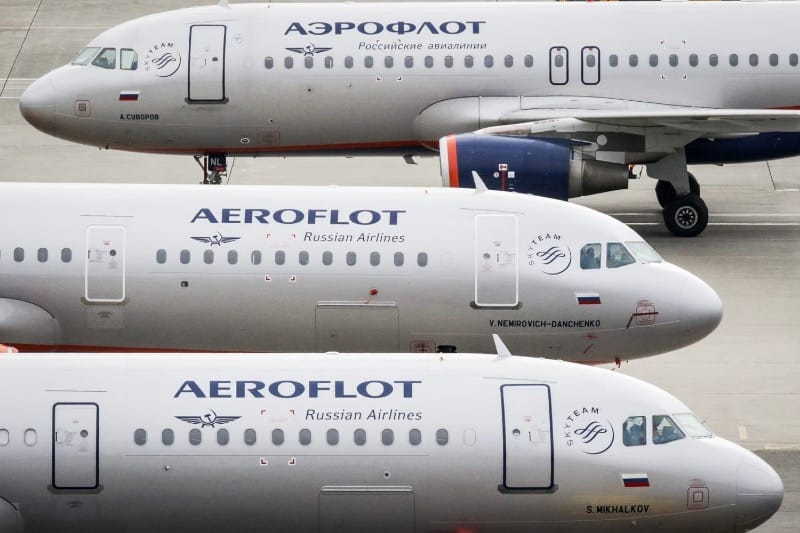
In the shadow war that has unfolded alongside Russia’s full-scale invasion of Ukraine, a new battlefield has emerged—one fought not with missiles or tanks, but with keyboards and code. On this front, the latest salvo came in July 2025, when Russia’s flagship airline, Aeroflot, was hit by a significant cyberattack attributed to pro-Ukrainian and Belarusian hacktivist groups. The attackers claimed to have infiltrated the airline’s systems for over a year, ultimately disrupting flight operations and threatening to expose sensitive data on millions of passengers.
This cyberattack stands out not only for its scale but for its civilian impact—grounding flights, delaying travel, and drawing the attention of the Russian government and global media alike. It also highlights a growing trend in modern conflict: the rise of decentralized, ideologically motivated hacker groups capable of targeting national infrastructure and shaking public confidence. As digital warfare continues to evolve, incidents like the Aeroflot breach raise urgent questions about the security of civilian systems and the blurred lines between protest, sabotage, and state-sponsored operations.