AI-driven SOC: Where human expertise meets autonomous intelligence
November 17, 2025
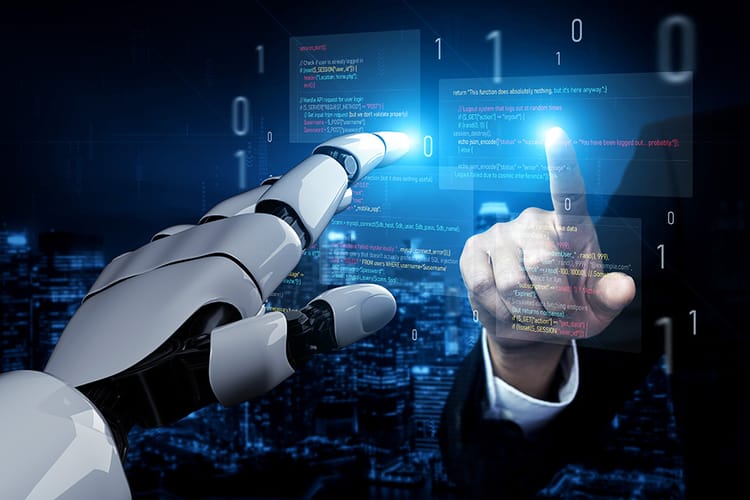
AI has a role in enhancing the capabilities of Security Operations Centers (SOCs) in defending against sophisticated cyber threats. By integrating autonomous intelligence with human expertise, SOCs can significantly improve threat detection and response times, adapting to an increasingly complex digital landscape.
In an age where cyber threats grow more sophisticated, Security Operations Centers (SOCs) stand as the frontline of defense against ongoing cyber threats. These centers, which utilize a blend of human expertise and emerging AI technologies, are uniquely positioned to detect and respond to anomalies rapidly. The integration of artificial intelligence into SOC operations promises to enhance threat detection capabilities, thereby enabling faster response times to incidents. As organizations face constant challenges from an evolving landscape of cyber threats, leveraging autonomous systems alongside seasoned cybersecurity professionals serves to create a synergistic effect in threat management.
The traditional SOC operates on well-defined processes that involve the detection, investigation, and response to network intrusions and security incidents. However, with the rise in volume and complexity of attacks, many SOCs are now turning to AI-driven models. These autonomous systems assist analysts by automating the mundane tasks traditionally handled by humans, allowing experts to focus on complex and critical security events. AI-enabled SOCs can process vast amounts of data at lightning speeds, flagging potential threats that might escape human observation. This shift not only improves operational efficiency but also reduces the time attackers have to exploit vulnerabilities.
As cybercriminals continue to innovate and adapt their tactics, employing measures such as AI within SOCs becomes crucial. The fusion of machine learning algorithms into security processes allows SOCs to continuously learn from new data and evolving threats. For instance, AI systems can now predict attack patterns based on historical data, providing proactive defense measures rather than reactive solutions post-breach. However, this move towards automation raises questions about the role of human intervention and oversight in cybersecurity. Balancing technology with human insight is key to maintaining robust defenses against cyber threats.
The financial implications of successfully implementing AI in SOCs are significant, with studies indicating that organizations can save millions annually by reducing the number of successful breaches through improved detection and response times. Moreover, with stricter regulations and compliance standards emerging globally, automated SOCs can help organizations comply with legal requirements efficiently, thereby avoiding costly penalties for non-compliance.
Nevertheless, the integration of AI into SOCs is not without challenges. Concerns about the potential for over-reliance on technology, as well as the risk of sophisticated adversaries finding ways to bypass AI-driven defenses, remain prevalent. Cybersecurity is evolving into a more dynamic battlefield where human expertise complements automated tools but does not replace them. Thus, ongoing education, training, and adaptation within the SOC workforce are essential to staying ahead of malicious actors.
Furthermore, organizations need to be aware of emerging threats that exploit the very technologies designed to protect them. Tools like threat intelligence platforms, advanced analytics, and endpoint detection and response systems are vital for maintaining situational awareness across the security landscape. With the future of cybersecurity increasingly reliant on AI, it becomes vital that security teams are adept at leveraging these tools effectively to counteract threats before they materialize.